Predictive Intelligence for Cell Therapy

To Give Mankind Agency Over Diseases

We're building an AI model for engineered cell therapy, making tumor microenvironments computable to predict cell therapy success and failure before manufacturing. By integrating multi-omics data with tissue-level dynamics, we decode how cells interact with hostile disease environments, solving the hidden mechanisms causing 70% of solid tumor therapies to fail. This enables us to deliver effective therapies to patients in months, not decades.

Cell Therapy: A Frontier in Modern Medicine

Cell therapy has revolutionized cancer treatment and offers unprecedented hope for diseases thought to be incurable. But unlocking its full potential requires solving a fundamental biology problem.

Unprecedented Success in Blood Cancers

CAR-T cell therapy has achieved remission rates exceeding 50% in hematologic malignancies outcomes chemotherapy could never achieve. This technology has transformed outcomes for thousands of patients with acute lymphoblastic leukemia, chronic lymphocytic leukemia, and multiple myeloma.

Living Therapeutics Are Different

Unlike drugs, engineered cells can sense their environment, adapt in real-time, persist for months, and fight disease with multiple simultaneous mechanisms. This unique power makes them fundamentally more capable and fundamentally more complex to predict.

The Solid Tumor Problem

While cell therapy has transformed blood cancers, solid tumors remain intractable. The tumor microenvironment actively suppresses engineered cells through immunosuppression, metabolic starvation, and physical barriers. Today, 70%+ of CAR-T therapies fail in solid tumors.

Why Cell Therapy Fails: The Knowledge Gap

The Challenge

The current approach to developing cell therapies is fundamentally trial-and-error:

  • Engineers design cells based on hypothesis
  • Manufacture takes 3-6 months and costs hundreds of thousands of dollars
  • Testing in animals or humans reveals failures after millions spent
  • Designers iterate, repeat cycle 3-5 times to find a viable candidate

The core problem: We cannot predict how engineered cells will behave in a hostile tumor microenvironment until we build them and watch them fail.

70%+
CAR-T failure rate in solid tumors
$500K-$2M
Cost per failed design iteration
12-24 months
Per design-build-test cycle
3-5
Iterations required for viability

Our Solution: Predict Before You Build

Cellaris AI is a computational platform that predicts how engineered cells will behave in diseased tissue before manufacturing. Simulate, optimize, validate then build only the candidates most likely to succeed.

INPUT

Your engineered cell design + disease tissue profile

CELLARIS AI

Multi-omics integration + tumor microenvironment simulation

OUTPUT

Predicted behavior: exhaustion, persistence, efficacy

What We Model

Tumor microenvironment dynamics: Immunosuppression, metabolic stress, physical barriers, immune crosstalk

Cell-TME interactions: Signaling cascades, nutrient competition, exhaustion markers

Engineered cell state: CAR construct, persistence trajectories, functional state transitions

Why Computational Prediction Is Essential

Speed

Simulate outcomes in hours, not months. Test multiple design hypotheses computationally before committing to manufacturing.

Cost Efficiency

Eliminate failing designs before spending hundreds of thousands on manufacturing. Reduce the number of costly iterations from 3-5 to 1-2.

Scientific Understanding

Understand why cells succeed or fail. Gain mechanistic insights into cell-tissue interactions that inform better designs.

Rational Design

Move from trial-and-error to hypothesis-driven engineering. Design cells informed by predictive knowledge, not intuition.

Accelerated Translation

Get effective therapies to patients faster. Skip failed candidates, move successful ones to clinical trials sooner.

Expanded Indications

Make solid tumors and other hostile environments addressable with engineered cells. Unlock therapeutic possibilities previously thought impossible.

Our Vision

To give mankind agency over diseases, a step at a time.

We're building a world where every therapeutic cell design is simulated, validated, and optimized before it ever touches a patient. A world where a researcher's hypothesis becomes reality in weeks, not years. Where a cancer patient's best shot isn't luck. It's certainty. Where biology becomes programmable.

The Impact We're After

🎯

Solid Tumors Conquered

Enable engineered cell therapies to work effectively in the hostile tumor microenvironment, opening treatment options for pancreatic, lung, liver, and other solid cancers.

Faster Therapies

Accelerate drug development timelines. Get effective therapies to patients in years, not decades. Reduce time-to-clinic by 50%+.

💰

Lower Development Costs

Eliminate failed iterations. Reduce development costs from $10M+ to a fraction by predicting success before manufacturing.

🔬

New Biology Knowledge

Advance fundamental understanding of how engineered cells interact with disease tissue. Create knowledge that benefits all of cell biology.

🏥

More Patient Access

Lower costs and faster timelines make cell therapies accessible to more patients. Democratize access to cutting-edge treatments.

🌎

Global Health Transformation

Enable a new era of rational therapeutic design. Transform how we fight disease from cancer to autoimmunity to regeneration.

Our Team

Our founding team brings deep expertise in computational biology, cell engineering, and cell therapy development. We're mission-driven scientists who have spent careers watching cell therapy fail in silent environments and believe we can change that.
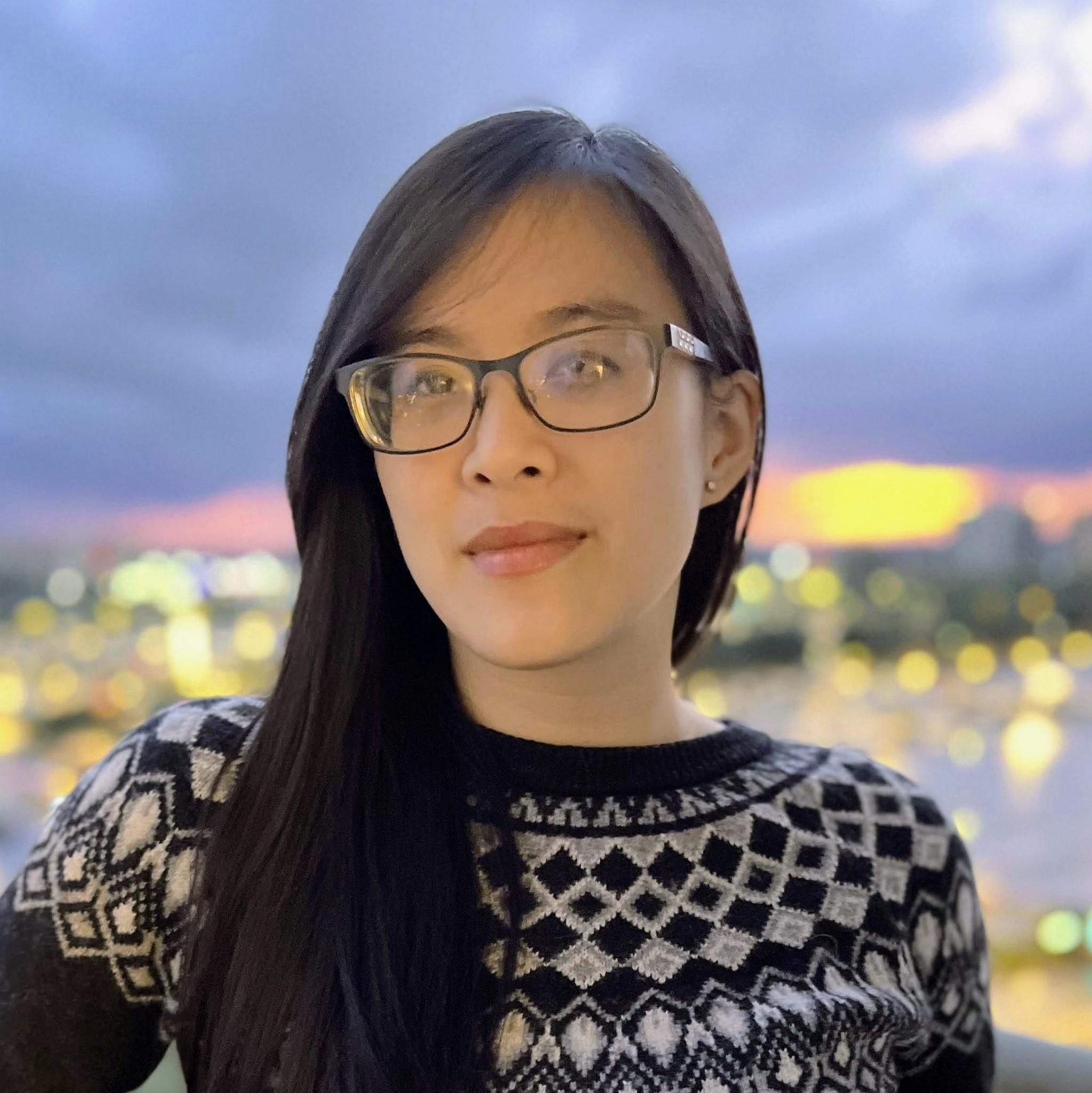
Cassandra Van, PhD

Cassandra Van, PhD

Co-Founder & Technical Lead

PhD Computational Biology from UC Irvine. Berkeley-trained biologist with expertise in multi-omics integration, mammalian tissue modeling, and systems biology. Cassandra has spent years studying how engineered cells interact with their tissue environment and designed Cellaris's computational framework to address this gap.
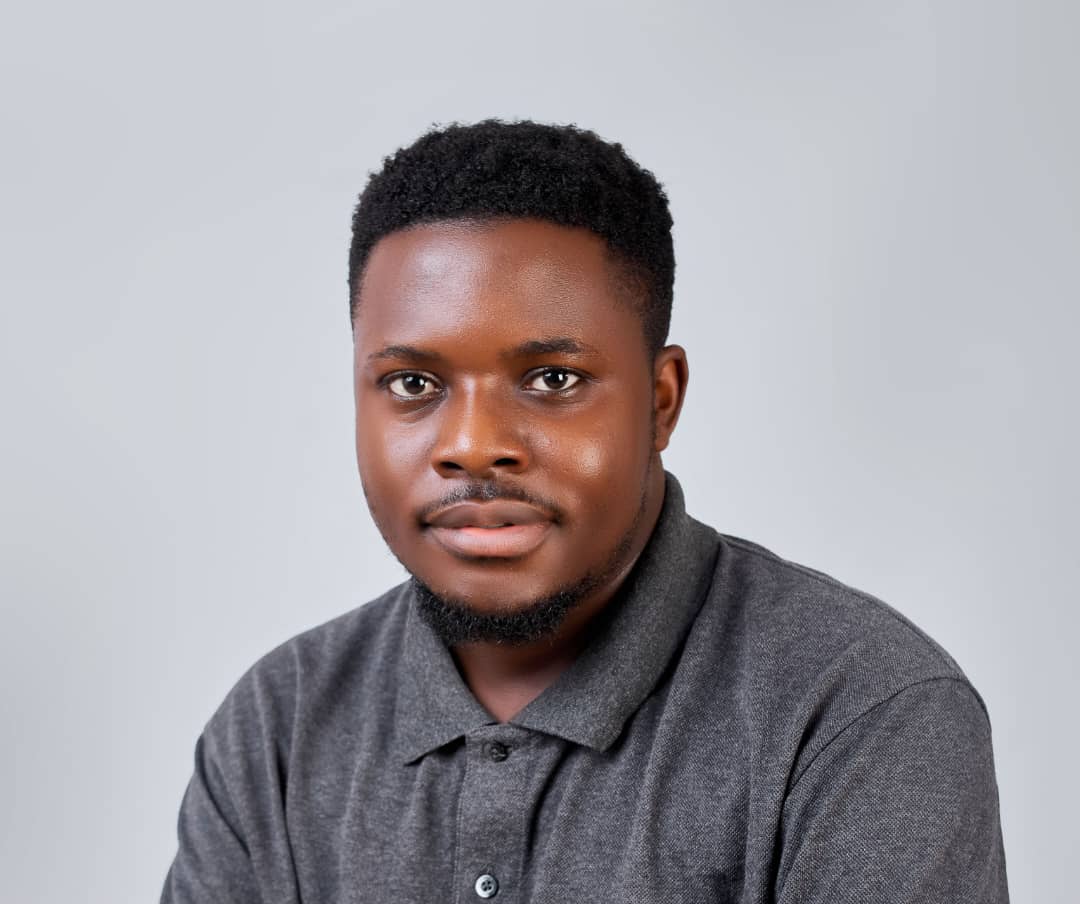
Joshua Omole-Adebomi

Joshua Omole-Adebomi

Co-Founder & Operations Lead

A Biologist with strong operational and strategy expertise. Joshua brings experience from consulting work in the bio space, where he identified the computational prediction problem as the key bottleneck to scaling cell therapy. He leads operations, partnerships, and strategy at Cellaris.

Get in Touch

Interested in collaborating, partnering, or learning more about Cellaris AI? We'd love to hear from you.

Cassandra Van, PhD

Technical Lead

cassandra@cellarisai.com

Joshua Omole-Adebomi

Operations Lead

joshua@cellarisai.com